News Articles
Once industrial facilities or commercial buildings decide to invest in a rooftop solar power system to reduce electricity costs, a common misconception arises: the belief that “once installed, the system can simply be left to operate on its own for 25 years without any maintenance.”
In reality, solar panels and electrical engineering equipment are constantly exposed to pollution, industrial dust and grime, heat accumulation, storms, and the natural effects of aging. Without proper care and maintenance, power generation efficiency (yield) can drop by 15%–30%, inevitably extending the facility's payback period. Consequently, Solar O&M services for industrial plants have become a crucial strategy for protecting investments and consistently maximizing system returns.
What is Solar O&M, and what activities does it entail?
Solar O&M stands for Operation and Maintenance—a comprehensive management approach for solar power systems. It extends far beyond simple panel cleaning, encompassing electrical and structural engineering aspects across three key areas:
1. Real-time system monitoring and tracking (Monitoring & Operations)
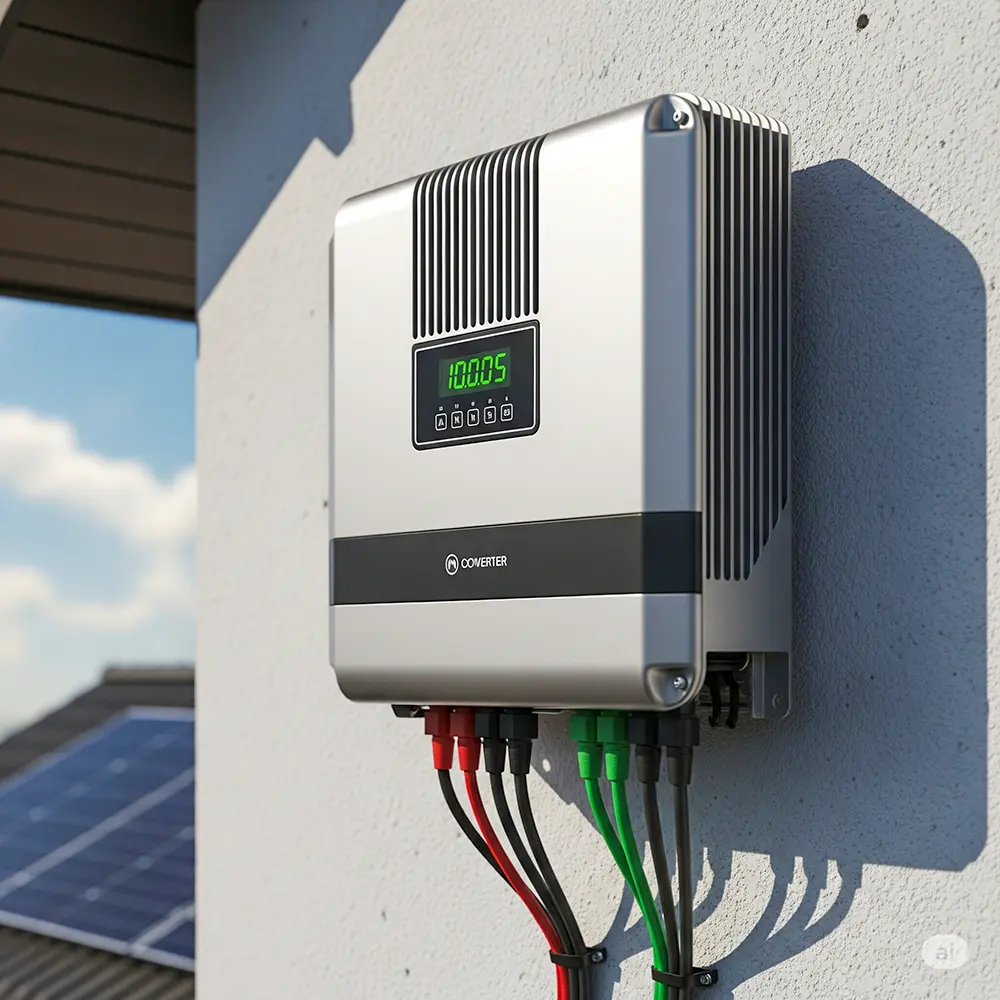
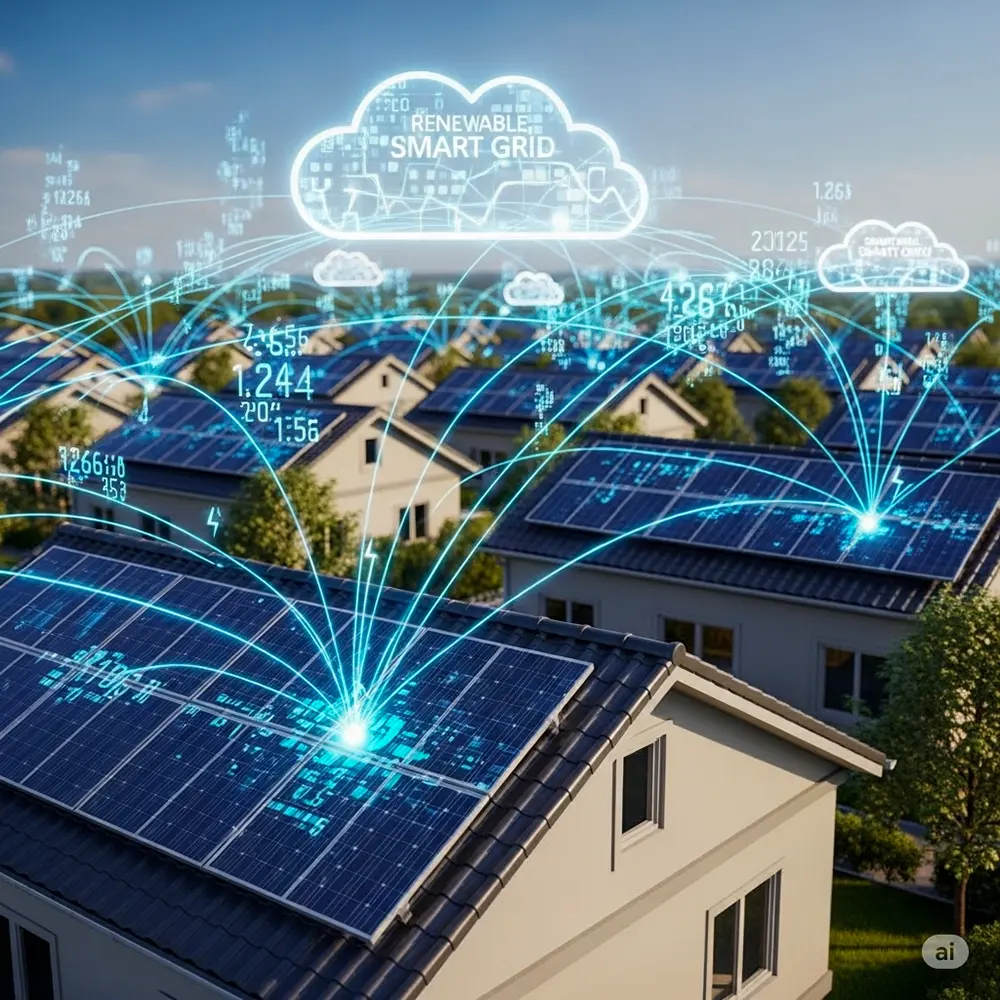
Software and IoT sensors are used to monitor electricity generation figures throughout the day. If an anomaly occurs—such as an inverter shutdown, an abnormal drop in output from a specific string, or a current leakage—the system immediately sends an alert to the control center, enabling engineers to pinpoint the location and resolve the issue promptly.
2. Preventive Maintenance (PM)
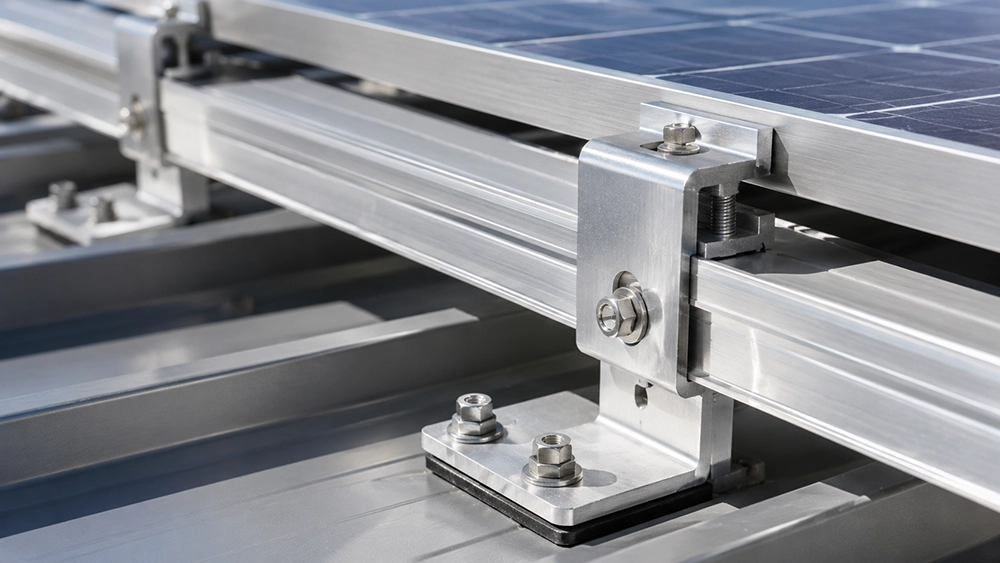
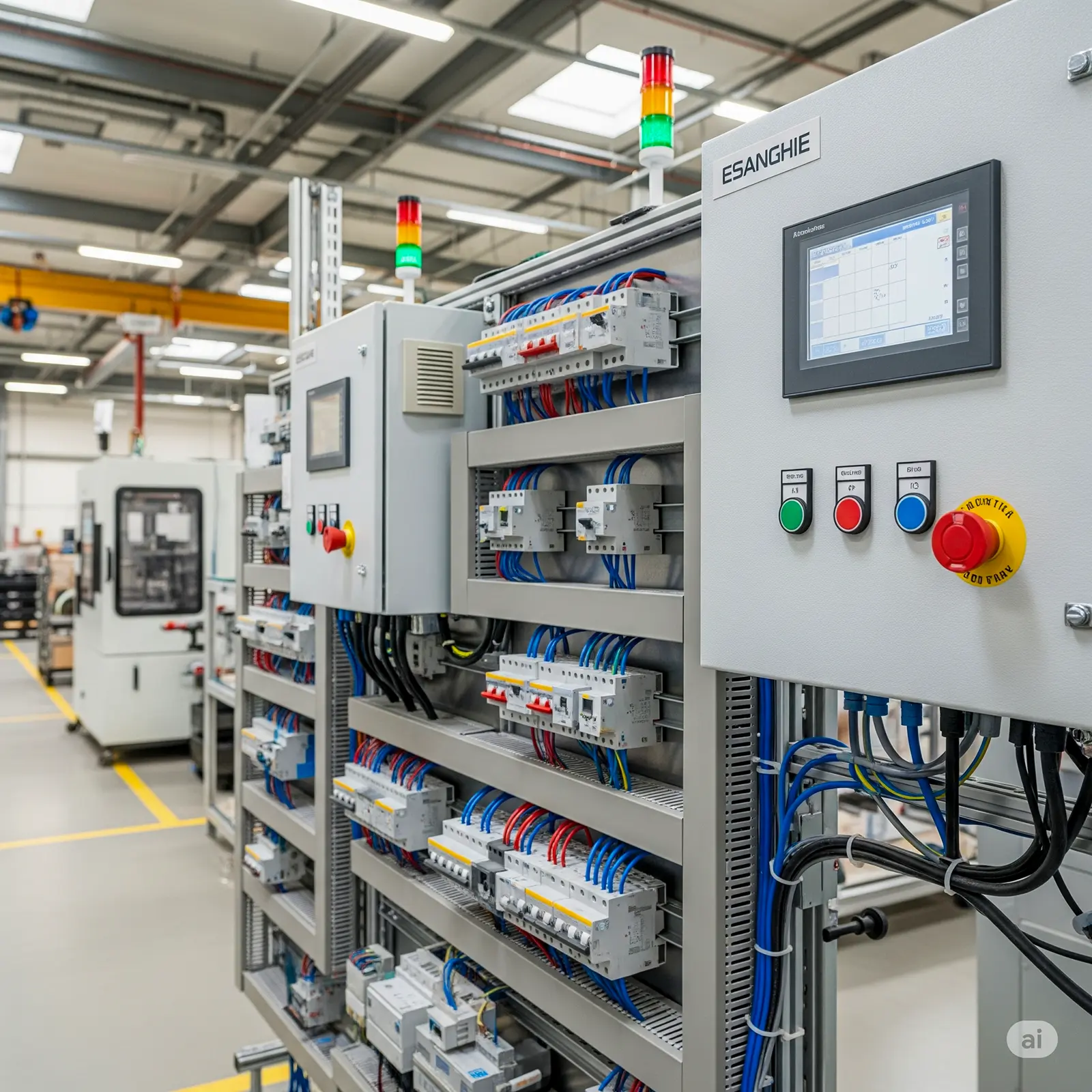
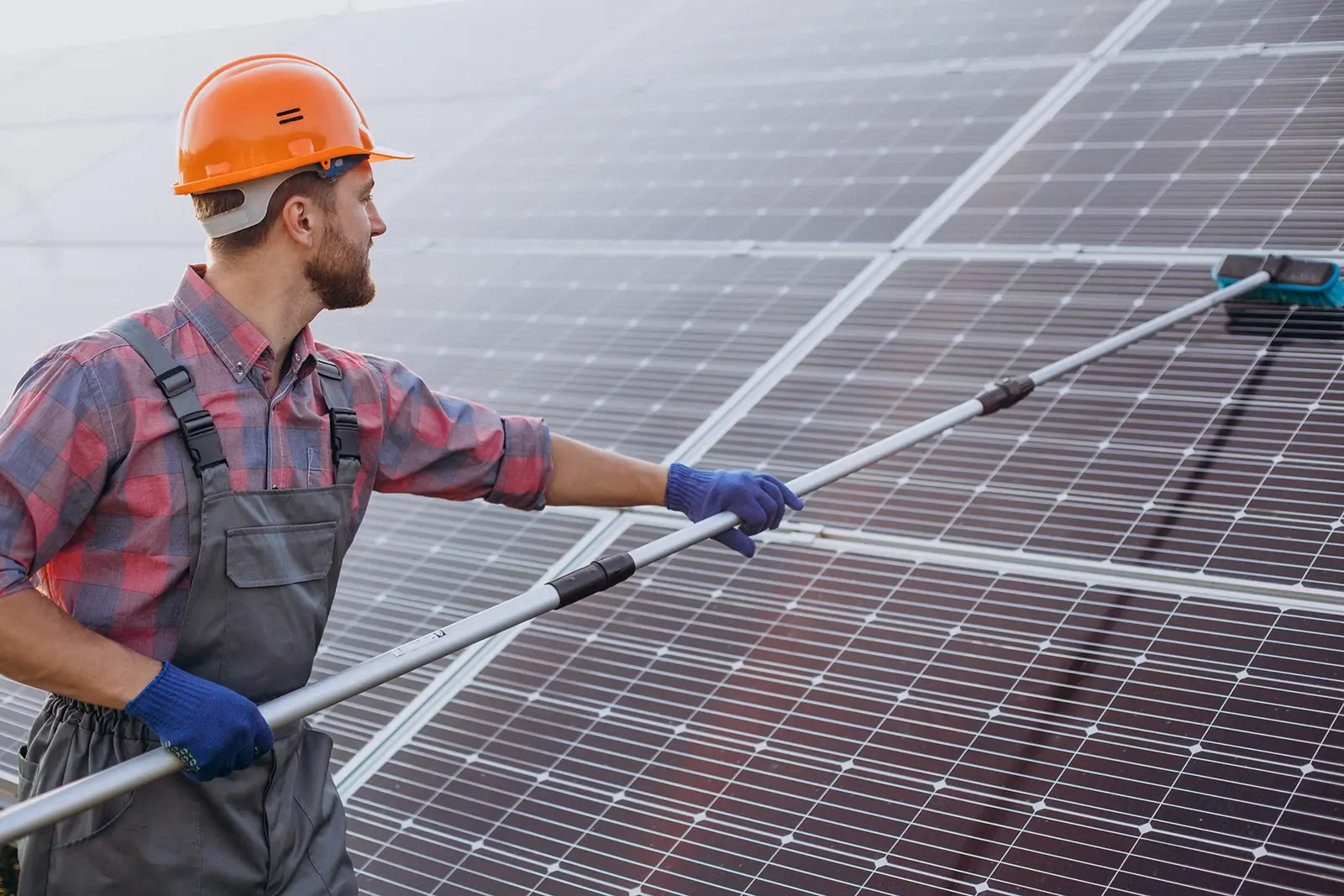
Checking and maintaining the system at specified intervals (usually every 3, 6, or 12 months) such as cleaning the solar panels with pure water, tightening the wire connections and terminals, checking the condition of the solar cable, cleaning the inverter cooling fan. and checking mounting equipment to prevent damage before it occurs.
3. Corrective Maintenance (CM)
Promptly repairing and replacing components upon detecting malfunctions or damage, thereby restoring the faulty inverter or panel to full power generation capability in the shortest possible time (Minimizing Downtime).
Comparison Table: Plants with Consistent Solar O&M vs. Plants Without System Maintenance
| Evaluation Criteria | Factories with professional solar O&M services | A factory that allows operations to run haphazardly |
|---|---|---|
| Power Generation Efficiency (Power Yield) | Constant at 95%–99% of the design value according to standards. | Reduced by 10%–30% regarding dust stains and imperfections. |
| Fire Safety (Fire Risk) | Hotspots and deteriorated wiring were detected in a timely manner. | Risk of arc faults or short circuits caused by loose connections. |
| Inverter service life | Service life of 10–15 years or more (with good heat dissipation). | Risk of engine overheating and premature failure. |
| Warranty Continuity | Maintenance records are available and can be used to claim 100% brand warranty coverage. | This may void the manufacturer's warranty. |
| Actual Payback Period (Actual ROI) | Payback period of 3.5–5 years as planned. | Extended to 6–8 years. |
Advanced Engineering Tools and Technologies for Solar Plant O&M
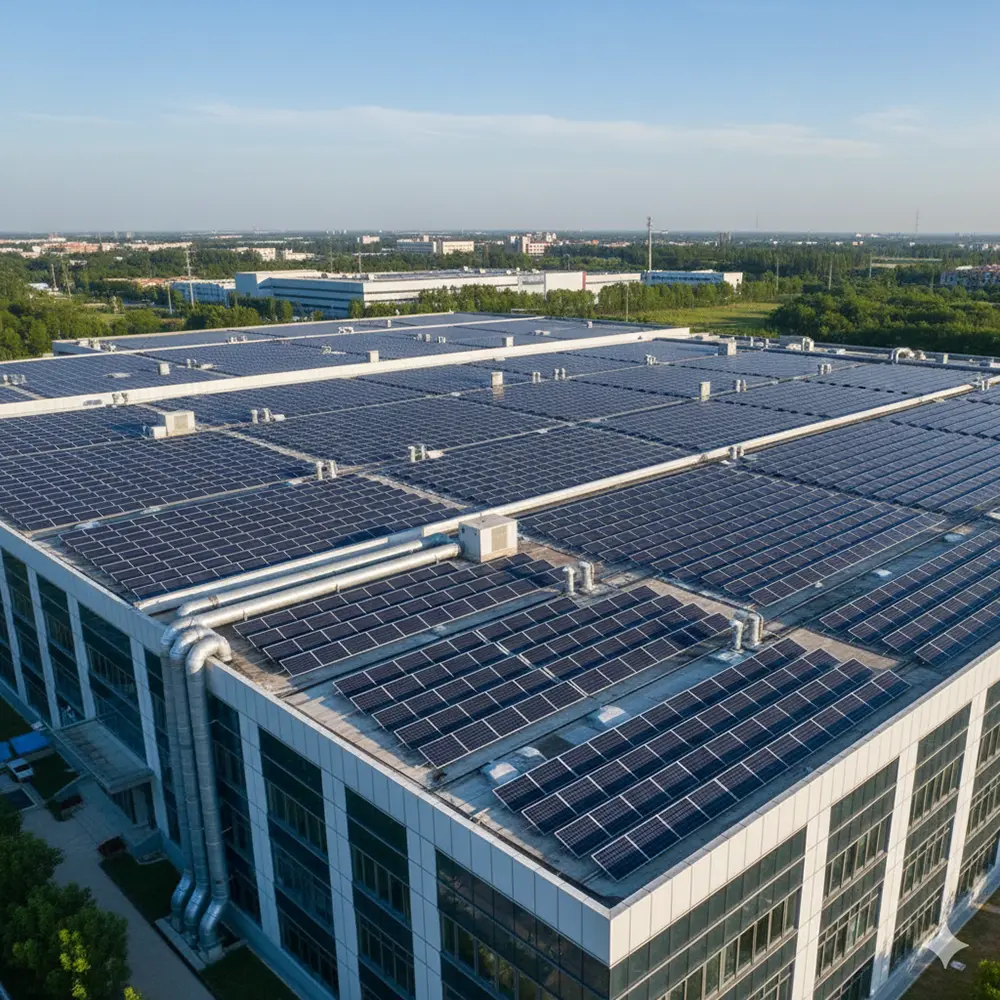
O&M for industrial plants differs from cleaning residential solar panels; due to the multi-megawatt scale of the rooftop areas and very high voltage levels, expert engineering teams must employ advanced technologies for analysis:
1. Thermal Imaging Inspection
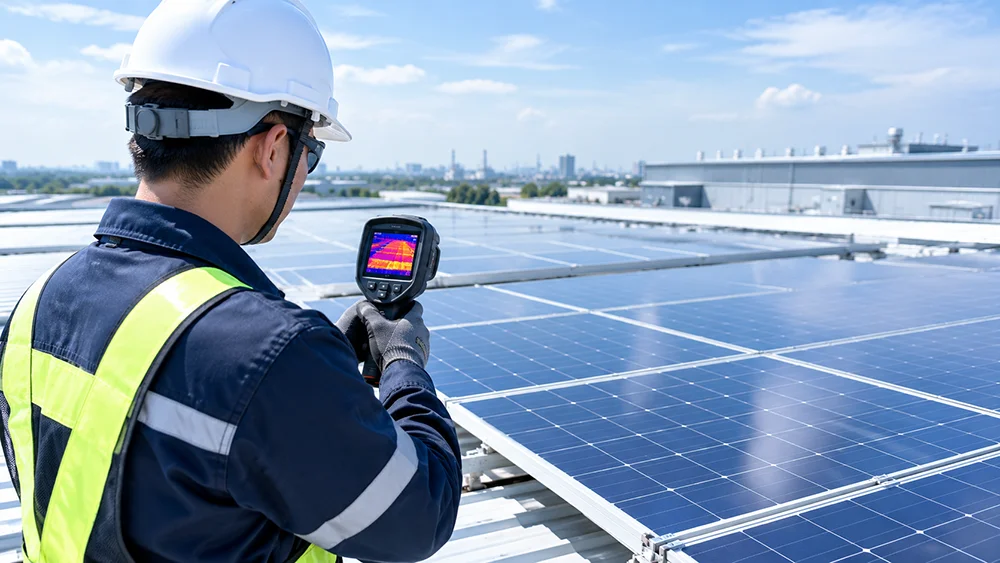
Thermal cameras—or drones equipped with thermal imaging—are used to survey the entire solar array to detect “hotspots” (areas of abnormally high temperature on the panels). These hotspots, caused by issues such as cracked cells, defective diodes, or stubborn bird droppings, are major culprits behind power output drops and can potentially lead to fires.
2. I-V Curve Tracer Measurement
An I-V curve tracer is used to analyze the performance of solar panel strings by comparing the results against manufacturer standards. This enables the immediate identification of strings experiencing abnormal degradation or issues with cable connectors.
3. Insulation Resistance Test
Measuring the insulation resistance of DC cables to check for sheath damage, tears, or cuts caused by the structure—which could lead to ground faults—thereby ensuring maximum safety for the building.
Benefits of Preventive Maintenance
Allocating a budget for continuous preventive maintenance is not an “excess expense” but rather “revenue insurance” for the factory, for the following reasons:
- Maximize electricity bill savings: Clean solar panels and an uninterrupted system ensure monthly electricity savings align with the figures estimated at the project's inception.
- Extending the service life of structures and equipment: Torque testing of mounting bolts helps prevent panels from detaching during monsoon storms.
- Meets property insurance requirements: Many insurance companies require business operators to provide an annual inspection report on their solar power systems as a condition for policy renewal and the settlement of claims in the event of an emergency.
Summary: Ensure your solar power system operates at peak efficiency with Energy X.
A solar rooftop system for a factory represents a long-term investment spanning over 25 years; therefore, having a partner ready to provide post-installation support—including after-sales services and maintenance—is just as important as selecting the equipment brand.
Energy X provides comprehensive Solar O&M services for industrial plants and commercial buildings. Our operations are led by a team of professional electrical engineers utilizing thermal imaging technology, internationally standardized testing equipment, and detailed reporting systems—ensuring your solar power system operates at 100% efficiency, maintains safety standards, and delivers maximum value for your investment.
Get the most out of your power generation equipment for a full 25 years! Consult with the expert team at Energy X today about our Solar O&M (Operation & Maintenance) packages.