News Articles
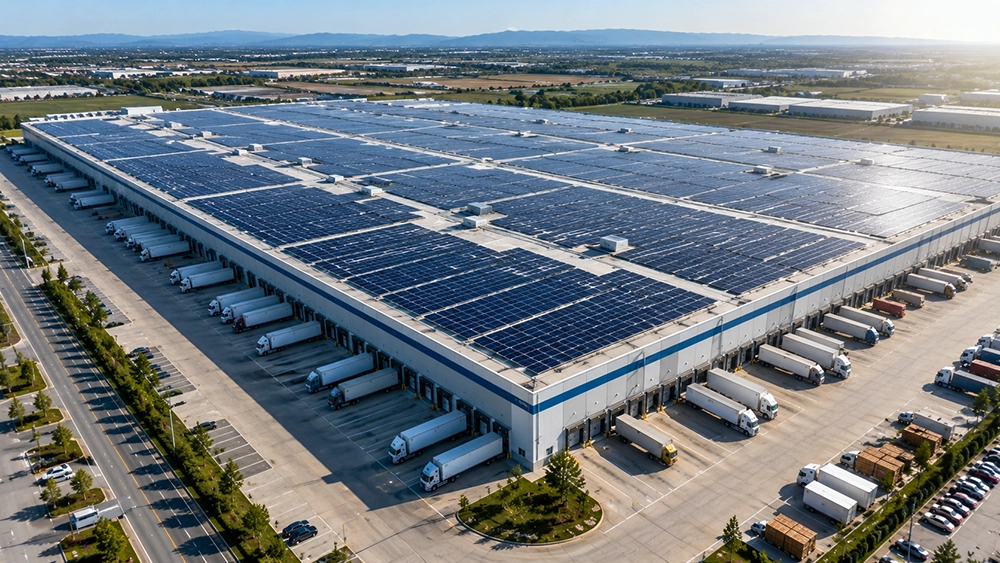
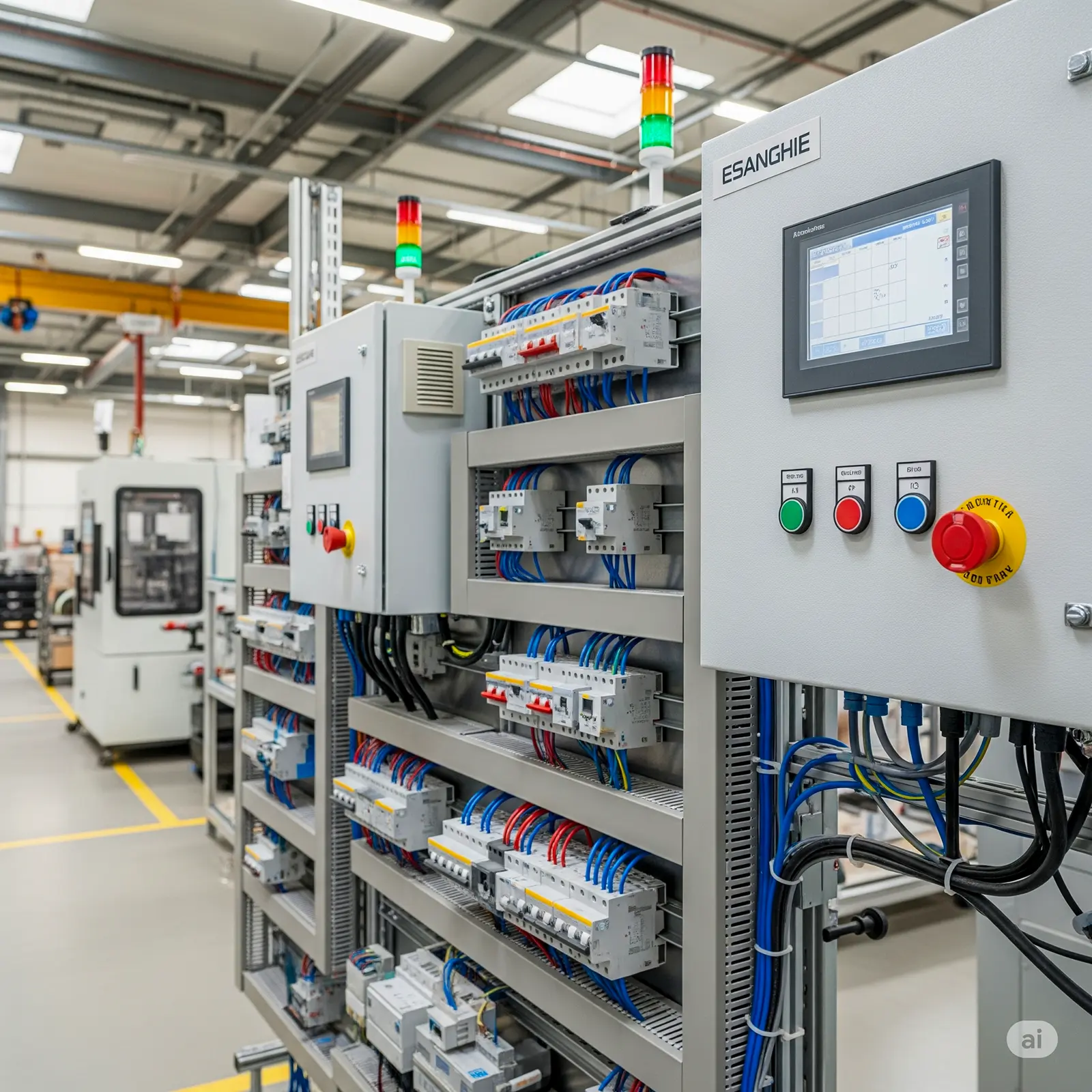
In an era of rapid growth in the logistics, warehousing, and distribution center industries, electricity costs are one of the highest recurring expenses (Opex) for businesses. This includes electricity for air conditioning, ventilation, 24-hour lighting, and charging electric forklifts. Managing these costs is therefore crucial for achieving a competitive advantage.
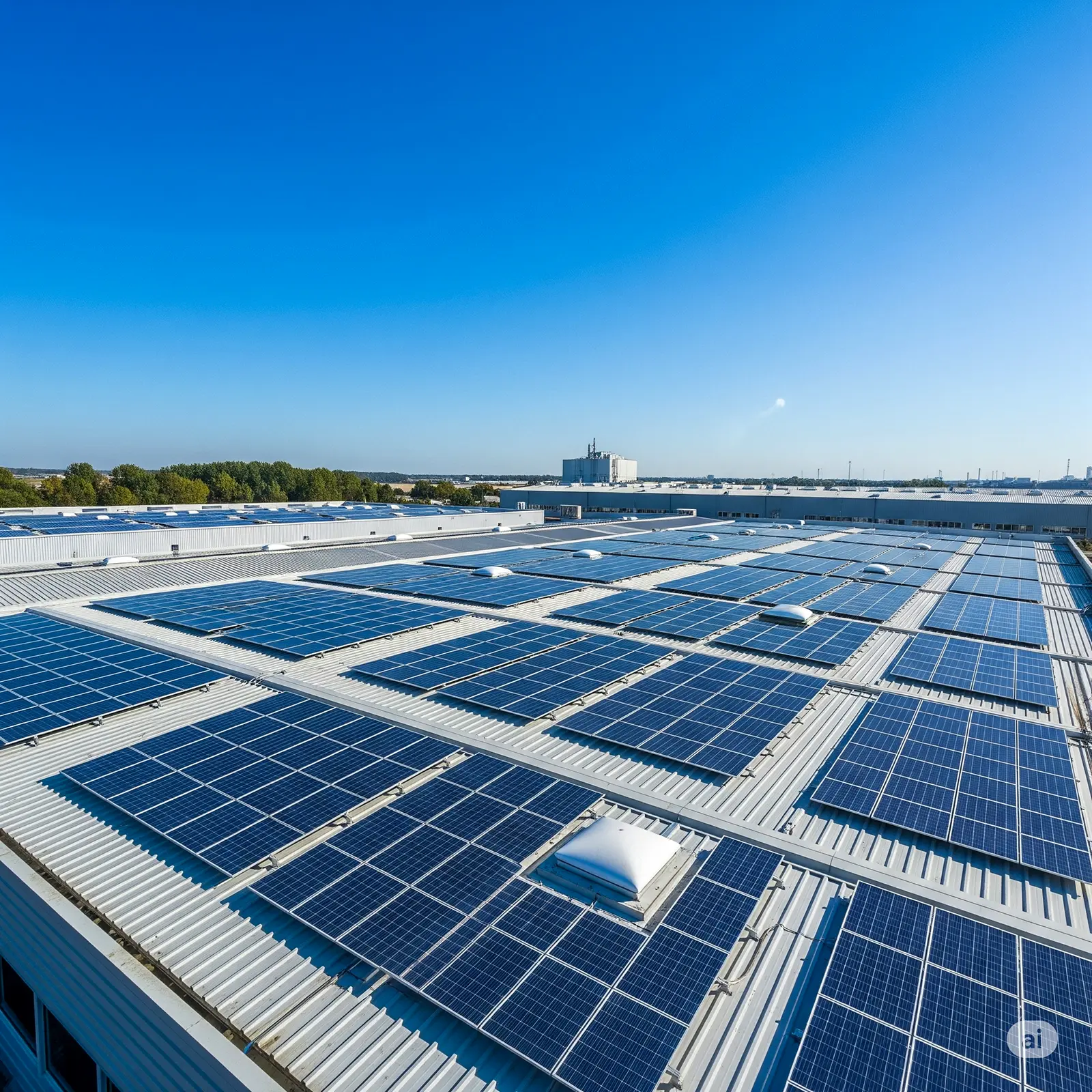
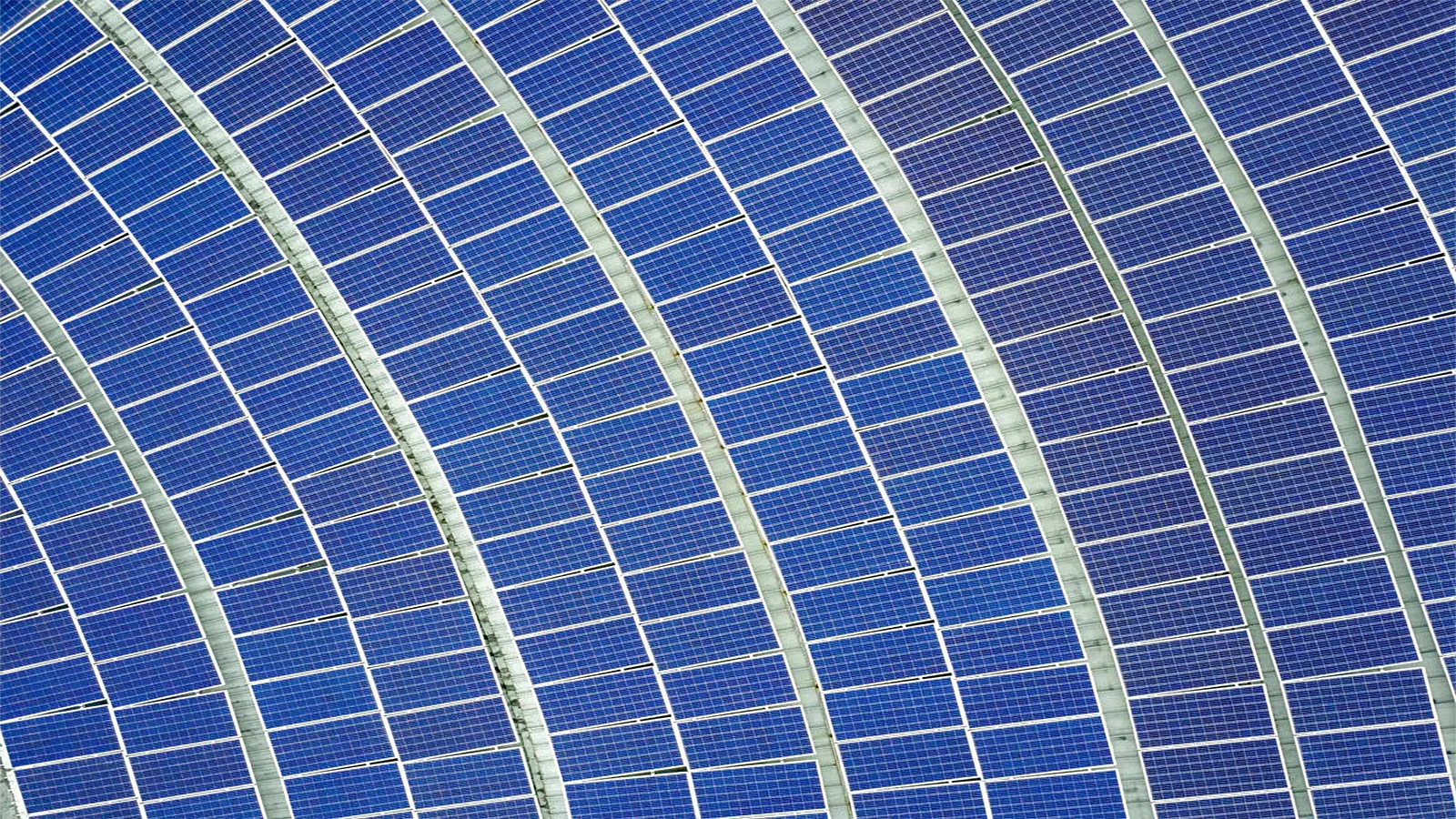
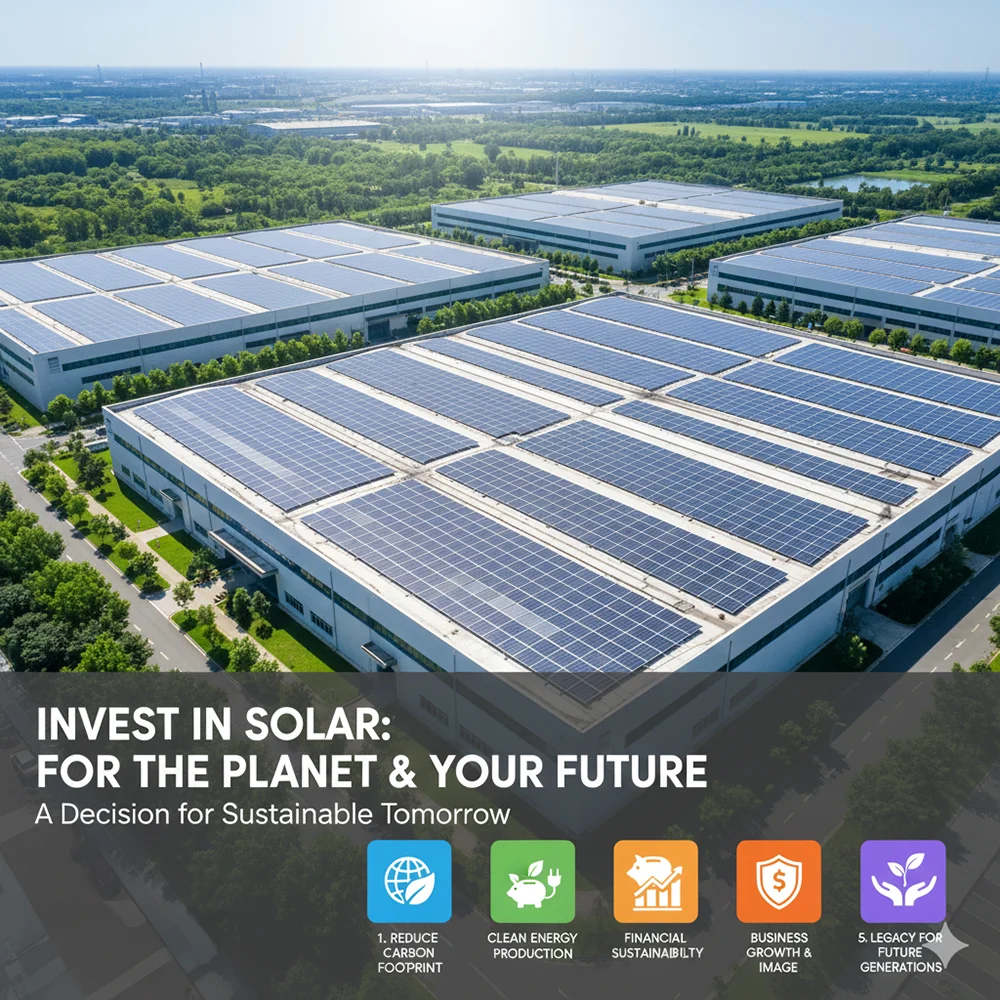
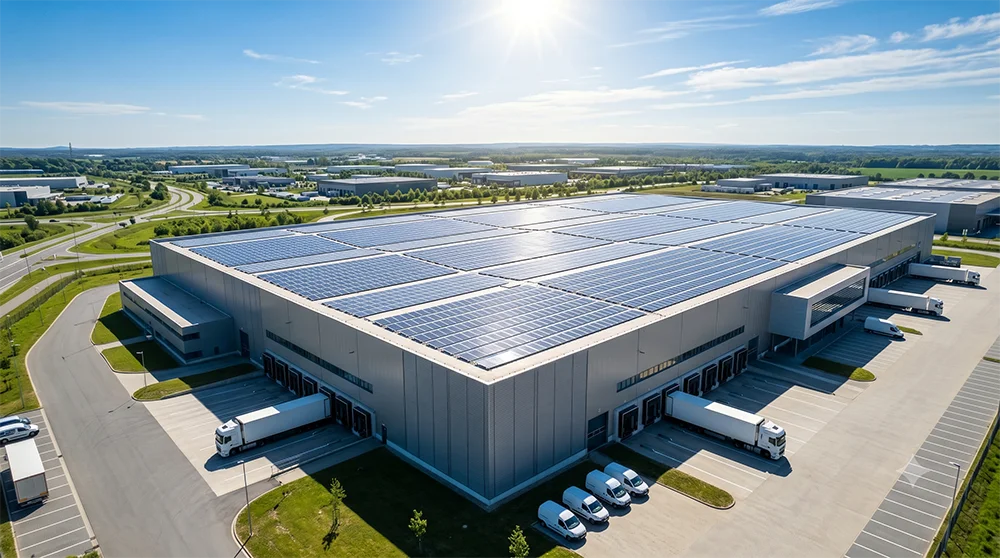
One of the most hidden and overlooked assets of a warehousing business is its large "roof space." Transforming this vacant outdoor space on a warehouse roof into a small-scale power plant by installing solar panels is therefore a worthwhile, secure investment strategy that quickly converts expenses into net profit.
Why are warehouses and distribution centers suitable for installing solar rooftops?
Warehouses and logistics buildings have physical characteristics and electricity usage patterns that are more conducive to installing solar energy systems than other types of buildings, due to the following key factors:
1. Extensive, unobstructed sunlight-receiving area (Maximized Solar Capacity)
Most warehouses are single-story buildings with thousands to tens of thousands of square meters of metal sheet roofing, and are often located in open areas. This allows the buildings to receive full sunlight throughout the day without being obscured by shadows from tall neighboring buildings (No Shading Effect). As a result, solar panels can generate electricity at their maximum efficiency year-round.
2. The electricity usage graph is aligned with the power generation time (Perfect Load Matching).
The main activities in the warehouse, such as sorting, machine handling, and operations, typically occur during the daytime, which is when the solar power system produces its most electricity. This allows for 100% of the generated electricity to be immediately used in the building (high self-consumption), significantly reducing the need to purchase electricity from the power grid during peak periods.
3. Helps reduce indoor temperature (Thermal Insulation Benefit)
Installing solar panels to cover the roof acts as an excellent "heat shield," blocking direct sunlight from hitting the roof. This results in a 3–5 degree Celsius reduction in temperature under the roof and inside the warehouse, reducing the workload on ventilation fans and air conditioning systems, thus saving on electricity costs.
Comparison table: Before and after solar panel installation for a 5,000 sq.m. warehouse.
| Comparison list | Before installing a solar rooftop | After installing a solar rooftop (estimated cost) |
|---|---|---|
| Utilization of roof space | Leaving things idle doesn't create value. | Transform it into a clean energy production area. |
| Electricity costs during the daytime | Pay the electricity bill at the normal rate, 100%. | Reduce your electricity bill during the daytime by up to 40% – 60%. |
| Temperature accumulated on the roof | High heat accumulation is transferred into the building. | The sunshade panels reduce the temperature under the roof by 3-5°C. |
| Environmental, Social, and Governance (ESG) Image | Release a normal carbon footprint. | Reduce greenhouse gas emissions and upgrade to Green Logistics. |
| Payback Period | – | Approximately 3.5 – 5 years (panel lifespan is 25 years). |
Techniques for designing safe and cost-effective solar cell systems for warehouses.
Even though warehouse buildings have vast areas, designing and installing solar rooftop systems for the logistics industry requires consideration of specific engineering principles to prevent structural risks and ensure the safety of goods within the building:
Structural Weight Capacity Assessment
Because most warehouse roofs use steel trusses and metal sheet roofing, civil engineers must carefully calculate the dead load of the solar panels and mounting equipment. The average weight of a solar system is approximately 12–15 kilograms per square meter, and the structure must be strong enough to withstand wind loads according to engineering standards.
Water leakage prevention system (Zero Leakage Standard)
The goods in the warehouse are of immense value. Drilling into the roof to secure the equipment requires the use of the Kliplok Mounting technique for corrugated metal roofing to avoid unnecessary drilling, or the use of industrial-grade EPDM rubber seals in conjunction with high-quality waterproofing chemicals to guarantee 100% leak-proofness.
Support for electric forklift charging stations (EV Charging Integration)
Modern warehouses are increasingly using electric forklifts and EV transport vehicles. Designing solar power systems with sufficient capacity to support daytime battery charging will enable businesses to utilize closed-loop clean energy, significantly reducing fuel costs for transportation.
Upgrade to Green Logistics with clean energy, meeting the needs of global partners.
Beyond the numerical benefits of electricity savings, installing solar panels in warehouses is a key driver in propelling organizations towards sustainability (ESG) goals and net-zero greenhouse gas emission targets. Currently, "Green Logistics" has become a crucial criterion for multinational corporations and leading brands in selecting warehouse and logistics service providers.
Did you know? Warehouses equipped with solar rooftop systems can use data on carbon emission reduction to generate Carbon Credits and apply for corporate income tax exemptions from the BOI, up to 50% of the investment, helping businesses save on taxes and achieve a faster return on investment.
Summary: Transform warehouse rooftop space into sustainable profit with Energy X.
Investing in a solar power system on warehouse rooftops transforms unused space into a monthly profit generator for businesses, mitigating the risk of rising electricity costs in the future, while enhancing the brand image as a leader in green logistics.
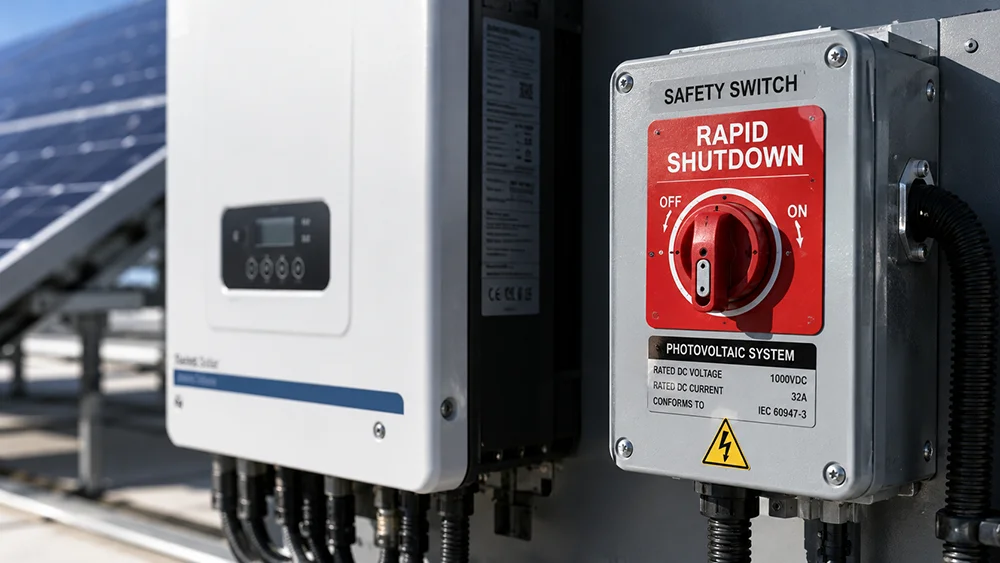
If you own a warehouse, distribution center, or storage facility and want to transform your empty rooftop into an energy-efficient space, Energy X offers a one-stop service, from building structure surveys and electrical system design to obtaining government permits, installation, and long-term maintenance by a team of professional engineers.
Start saving on electricity costs for your warehouse today! Contact our team of expert engineers at Energy X for a free site assessment and break-even point calculation.