23 December 2025
Solar cells and batteries: Should they be installed together?



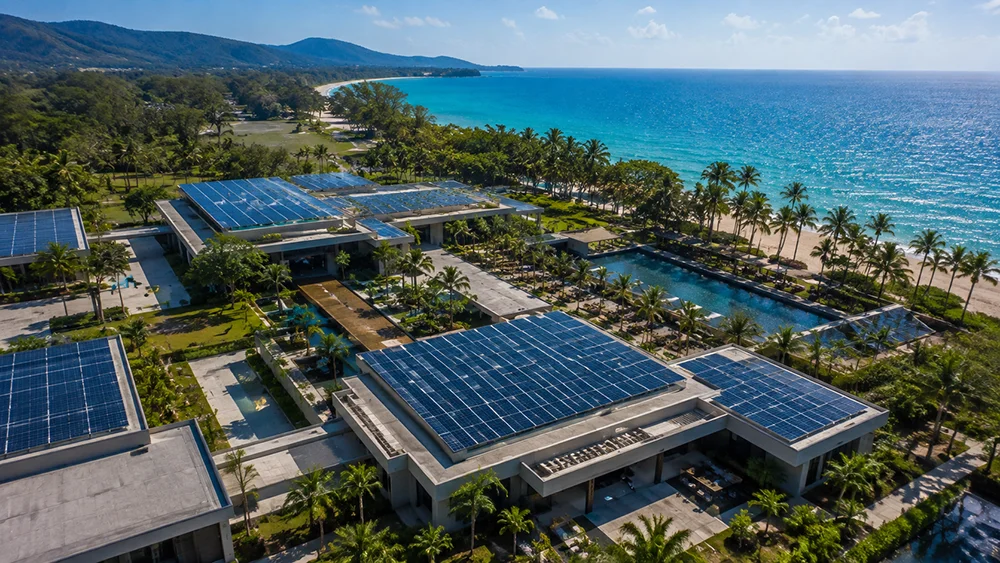
The hotel, resort, and pool villa industry is one of the service industries that inevitably bears very high electricity costs. These costs include electricity for air conditioning systems (used to accommodate guests throughout the day), water heating systems (heat pumps/boilers), swimming pool filtration systems, kitchens, and lighting throughout the property. Therefore, managing energy costs is a crucial factor in determining the net profit of modern hospitality businesses.
Many business executives and owners are therefore asking a crucial question: "Is installing solar panels in hotels and resorts truly worthwhile?" And how can it reduce electricity costs without compromising the customer experience and comfort? This article will take you on a deep dive into the commercial viability and the reasons why clean energy is becoming the new standard for the hotel business today.
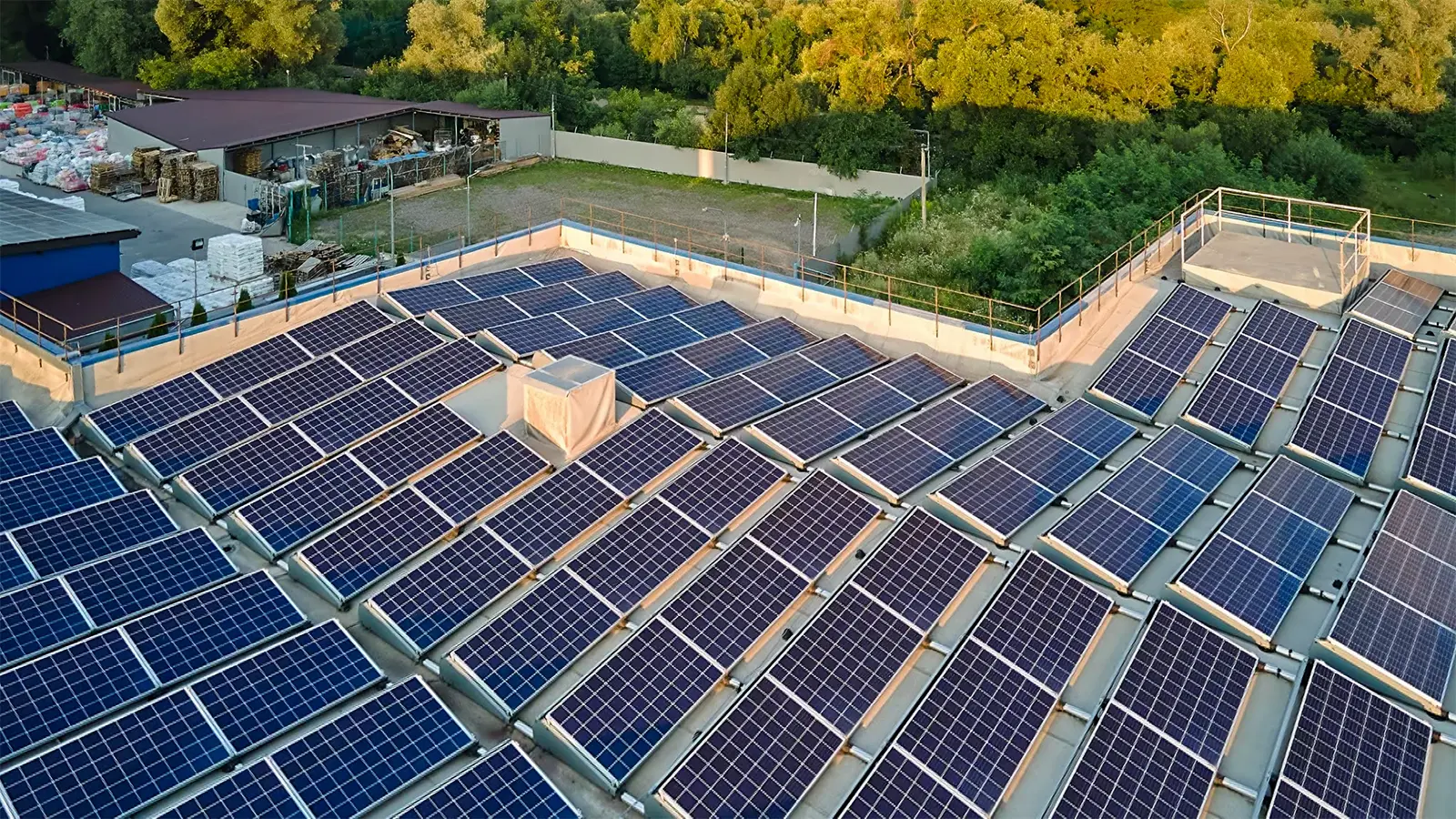
One of the factors that makes installing a solar rooftop system in hotels highly cost-effective is that the electricity usage pattern (load profile) of the service business is perfectly aligned with the solar power generation time, as follows:
Even though guests may rest in their rooms at night, the daytime (10:00 AM – 3:00 PM) is when the hotel's central systems are working hardest. This includes running air conditioning in the lobby, restaurants, and fitness center. Furthermore, because some guests rest in their rooms during the day, electricity generated from solar panels during bright sunlight is immediately and fully utilized to power the central air conditioning system.
Hotels and resorts have large electrical appliances that operate continuously throughout the day, such as water pumps for wastewater treatment systems, swimming pool water circulation pumps, laundry and dry cleaning systems, and kitchen cooling systems. Solar power can significantly reduce the burden on the grid for these appliances.
Large hotels fall into the medium- and large-scale business electricity rate category, which includes peak demand charges during daytime hours. Installing solar panels helps reduce the electricity draw limit from the power grid, resulting in significant savings on monthly electricity bills.
| Size of the establishment | Optimal installation power (kWp) | Estimated electricity savings per month. | Estimated return on investment (ROI) |
|---|---|---|---|
| Boutique Hotel / Pool Villa (10-20 rooms) | 15 – 30 kWp | 12,000 – 25,000 baht | 4-5 years |
| City Hotel / Medium-sized Resort (50-100 rooms) | 50 – 100 kWp | 40,000 – 85,000 baht | 3.5 – 4.5 years |
| Luxury Resort / Large Hotel (100+ rooms) | 150 – 500+ kWp | 120,000 – 400,000+ baht | 3-4 years (fastest payback period) |
Beyond the immediate monetary return on electricity savings from the first month, installing solar panels in hotels also generates immense benefits in terms of marketing and corporate image (ESG Branding):
The sustainable tourism trend is gaining significant popularity among international travelers and younger generations. Switching to clean energy allows hotels to apply for Green Hotel Standards or use it as a key selling point on online travel platforms (OTAs) like Agoda or Booking.com, which clearly categorize their offerings as "Travel Sustainable."
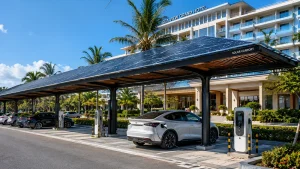
Modern resorts and hotels can expand their solar rooftop installations by integrating electric vehicle (EV) charging stations in parking areas, providing guests with clean solar power. This creates a key differentiator that sets them apart from competitors in the same area.
When installing solar panels in the service industry, equally important to engineering considerations are the "architectural aesthetics" and the "quiet installation process":
The answer is "absolutely worthwhile," both in terms of immediate reduction in operating expenses (opex), converting electricity costs into net profit, a rapid payback period of just 3-5 years (while the panels have a lifespan of 25 years), and enhancing the hotel's image as a green hotel, in line with future trends.
Upgrade your hotel to a green, energy-efficient level. Contact our expert engineers at Energy X for a free on-site assessment, electricity usage analysis, and break-even point calculation for your hotel!