Electricity costs are rising every year…but you can control them. In recent years, electricity costs have become one of the major expenses for businesses, especially factories, SMEs, and commercial buildings. The question most business owners ask is, "Is installing a solar rooftop really worth it?" This article will provide a straightforward analysis, without complex formulas, and help you "make a preliminary cost-benefit assessment yourself."
Does a solar rooftop really help reduce electricity bills?
The short answer is yes, it can help reduce it, but "how much" depends on three main factors.
1. What time of day should you use the electricity? (Most important)
- Uses a lot of electricity during the day → Very worthwhile.
- Using night lights → Not cost-effective.
Because solar power generates electricity “when there is sunlight”.
2. Monthly electricity consumption.
- Electricity bill of 30,000 baht → Starting to feel worthwhile.
- Electricity bill of 100,000+ baht → Clearly worth it.
- Million-baht factory → Excellent ROI.
3. Roof area.
- Large installation area → Higher electricity production → Significant reduction in electricity costs.
A simple way to calculate. Is your business profitable?
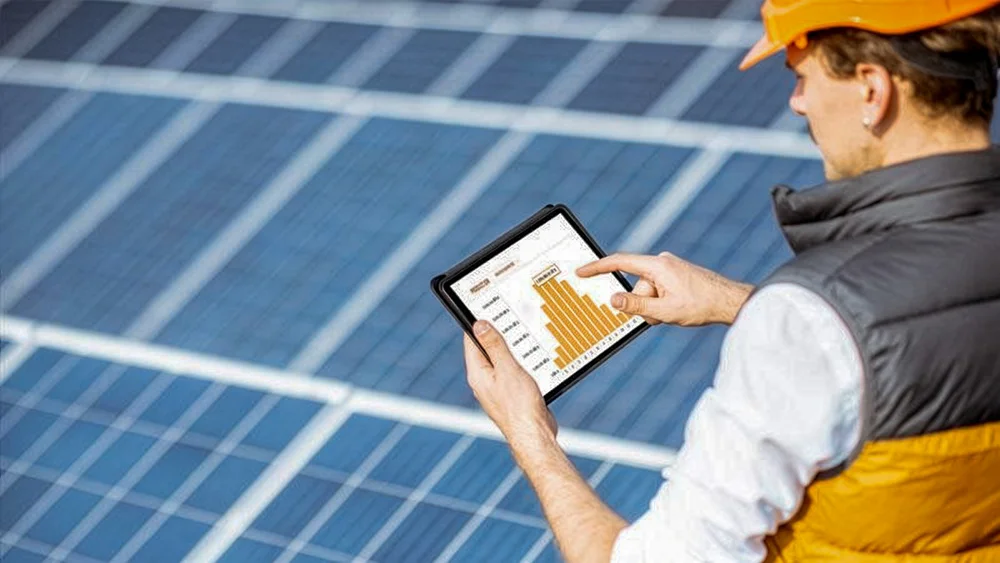
Step 1: Check your monthly electricity bill.
- Example: Electricity bill = 50,000 baht/month.
Step 2: Estimate the percentage of daytime electricity usage.
- If you use about 70% of your lighting during the day, solar power will help a lot.
Step 3: Assess the reduction in electricity costs.
Generally
- Offices can reduce their electricity bills by 30–50%.
- SMEs can reduce their electricity bills by 40–60%.
- The factory was able to reduce its electricity costs by 50–70%.
Step 4: Make a rough calculation.
Example
- The electricity bill is 50,000 baht.
- 50% off
Savings = 25,000 baht/month.
Per year = 300,000 baht.
How much investment is needed?
Installation costs depend on the size of the system, for example
- Small-scale system (Home / SME) → ~100,000 – 500,000 baht.
- Central System (Business) → ~500,000 – 2 million baht.
- Large system (factory) → Millions of baht.
Return on Investment (ROI)
On average
- Return on investment in 3–5 years.
- System lifespan: 20–25 years.
After payback period = “Pure profit from reduced electricity costs”
Example of a real-life situation.
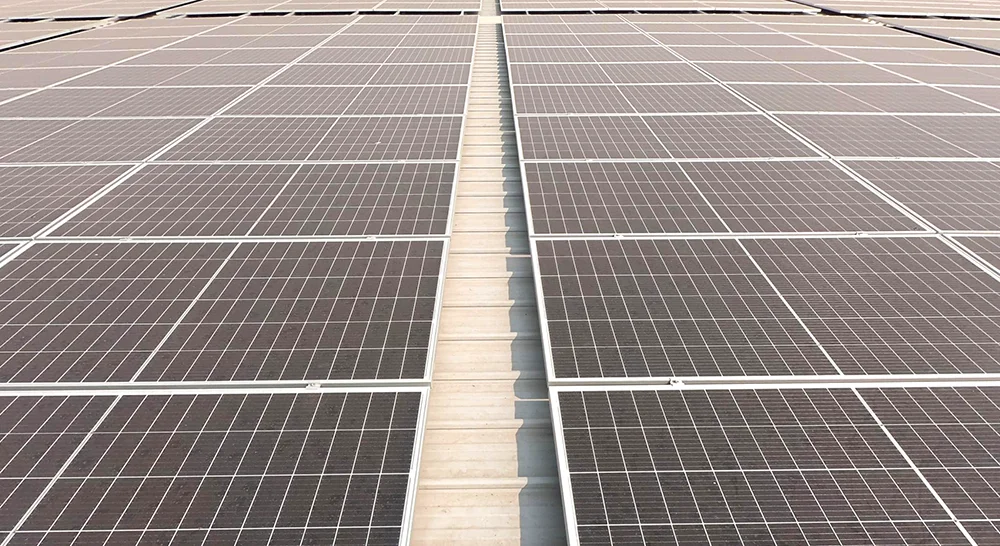
Case Study: Medium-sized Factory
- Electricity bill: 200,000 baht/month.
- Daylight mode: High.
- Install a suitably sized solar panel.
Reduce your electricity bill by about 60%.
Result
- Savings: 120,000 baht/month.
- Annually: 1.44 million baht.
- Return on investment in ~4 years.
What type of business is "very profitable"?
- Factories that operate during the day.
- Warehouse / Logistics.
- Shopping mall / Office building.
- Hospital / Clinic.
- Hotel.
What types of businesses should you "think carefully before starting"?
- Primarily using nighttime lighting.
- Small roof area.
- Very low electricity consumption (< 10,000 baht/month)
Risks you need to know (before making a decision)
- Unsuitable system design – results in inefficiency or slow return on investment.
- Using substandard equipment – risks long-term problems.
- No Operation and Maintenance (O&M) team – Performance drops unknowingly.
Why is "system design" the most important thing?
Solar rooftop isn't just about installing panels and being done with it. The important thing is...
- Analyze electricity usage behavior.
- Design the system size to be "just right".
- Choose the right equipment for your business.
This is where "value for money" is determined. Businesses that choose to use professional engineering teams tend to achieve accurate ROI and reduce long-term risk.
In summary: Should your business install a solar rooftop?
If your business has these characteristics
- Electricity bill of 30,000 baht or more.
- Use the lights during the daytime.
- There is a roof area.
There's a very high chance of success.
The calculations in this article are a "preliminary overview," but in reality, each business uses electricity differently, and the system size needs to be designed specifically for them.